
Holiday Bonus: Pico Revive with chest & hands free. Claim by Nov 30. Claim yours →Claim by Nov 30 →

MomBellyMend Method
After cesarean birth, healing goes deeper than the surface.
Start My Assessment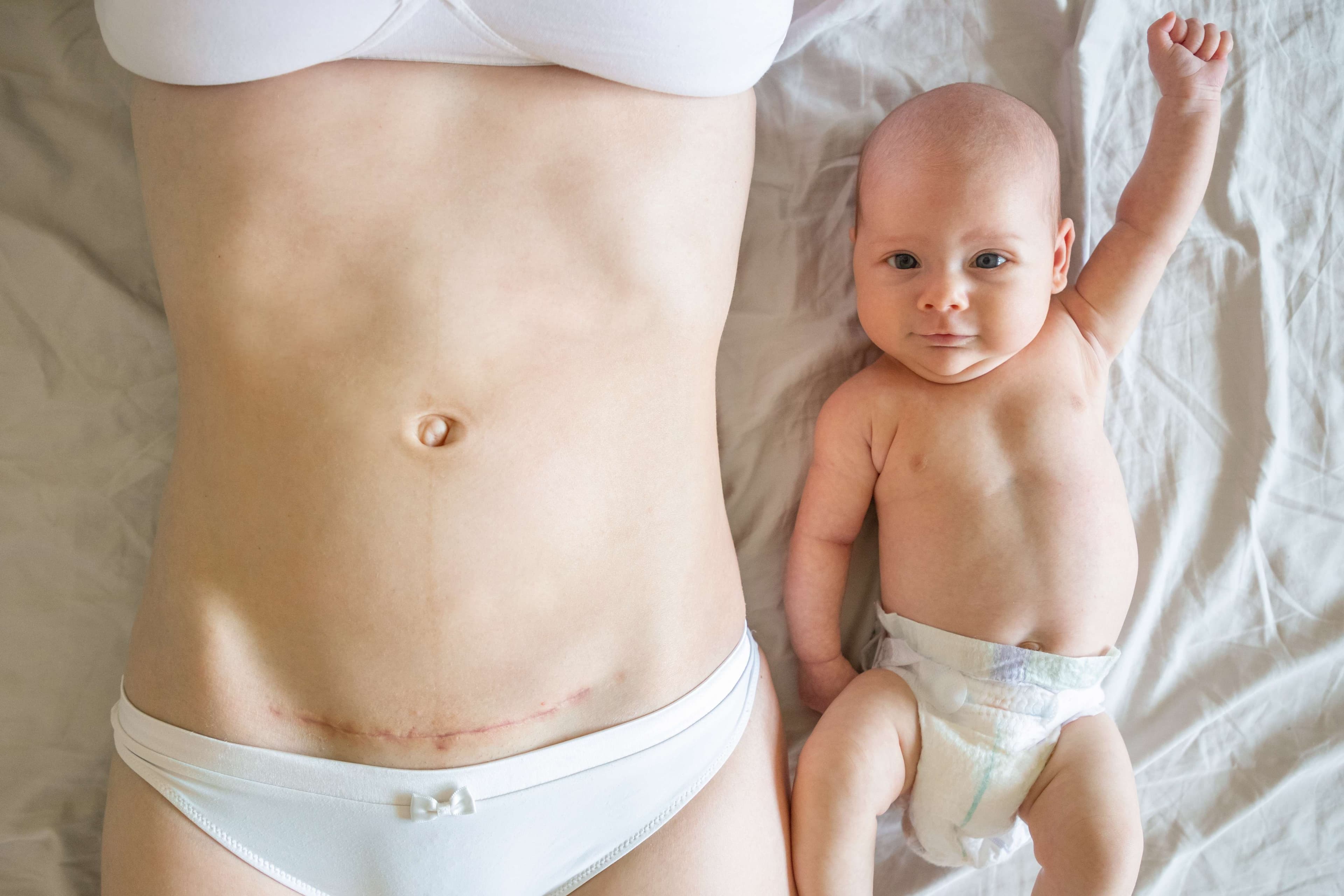
You're Not Imagining It
Many women are told the incision healed — but the area never feels the same.
You may notice:
Nothing is medically “wrong,” yet it doesn't feel normal either.
You're not imagining it — and you're not the only one.
Understanding Your Body
A cesarean birth goes through multiple tissue layers — skin, fascia, and abdominal wall.
Even when the surface heals well, deeper layers can remain restricted. The nervous system may stay protective around the area, which is why some women experience altered sensation or tension years later.
Exercise alone doesn't change this because the issue isn't strength — it's mobility and signaling.

How We Help
We focus on restoring movement and communication in the tissue rather than forcing the body to compensate around it.
This may include:
The goal is simple: help the area feel like part of your body again.

Results
Many clients report:
Changes can happen gradually as the body integrates.
Your Journey
Assessment of mobility & sensation
Personalized to your scar history
Typically spaced weeks apart
Minimal downtime
Older scars can still improve.
In Her Words
"This is the place for c-section moms to get the TLC we need and deserve."
Kari D.
Verified Google Review

Common Questions
No. We regularly work with scars many years postpartum.
Most treatments are brief and well tolerated. We adjust based on sensitivity.
The goal is function and comfort first. Appearance often improves as tension reduces.
Typically after medical clearance around 12 weeks postpartum.
During surgery, small nerves in the skin and fascia are disrupted. In some cases, the nervous system doesn’t fully restore signaling to that area. Treatment can help reintroduce communication to the tissue.
The shelf is caused by adhesion between the scar and deeper tissue layers. When fascia sticks together, it creates a visible indentation. Releasing these adhesions can improve the contour.
Yes. Restricted abdominal tissue can alter how you stand and move, contributing to compensatory strain in the lower back and hips.
Many women experience this. The nervous system can remain protective around the area. Treatment helps desensitize the tissue gradually.
Yes. Multiple surgeries can increase adhesion, but the tissue still responds to treatment. Many of our clients have had two or more cesarean births.
No. These treatments support tissue health and won’t interfere with future pregnancies or deliveries.
Most of these treatments are not covered by insurance. We’re happy to discuss pricing during your consultation.
We address multiple tissue layers simultaneously — including neural, fascial, and skin remodeling — rather than focusing on muscle alone.
Ready to Start?
Every recovery starts with understanding what changed. Your assessment maps the path forward.
Start My Assessment
Let us help the rest of your body catch up to how far you've come.
Create My Plan